Understand the job and the constraint.
Users, evidence, business goal, technical limits and the current behavior that is creating friction.
A useful UX audit separates visible symptoms from the product decisions causing them. I review flows, hierarchy, content, interaction states, responsive behavior, accessibility and implementation quality, then turn findings into a prioritized fix plan.
Users, evidence, business goal, technical limits and the current behavior that is creating friction.
Turn the problem into reviewable decisions before high-fidelity design makes ambiguity expensive.
Responsive rules, components, interaction notes and QA make the work useful after handoff.
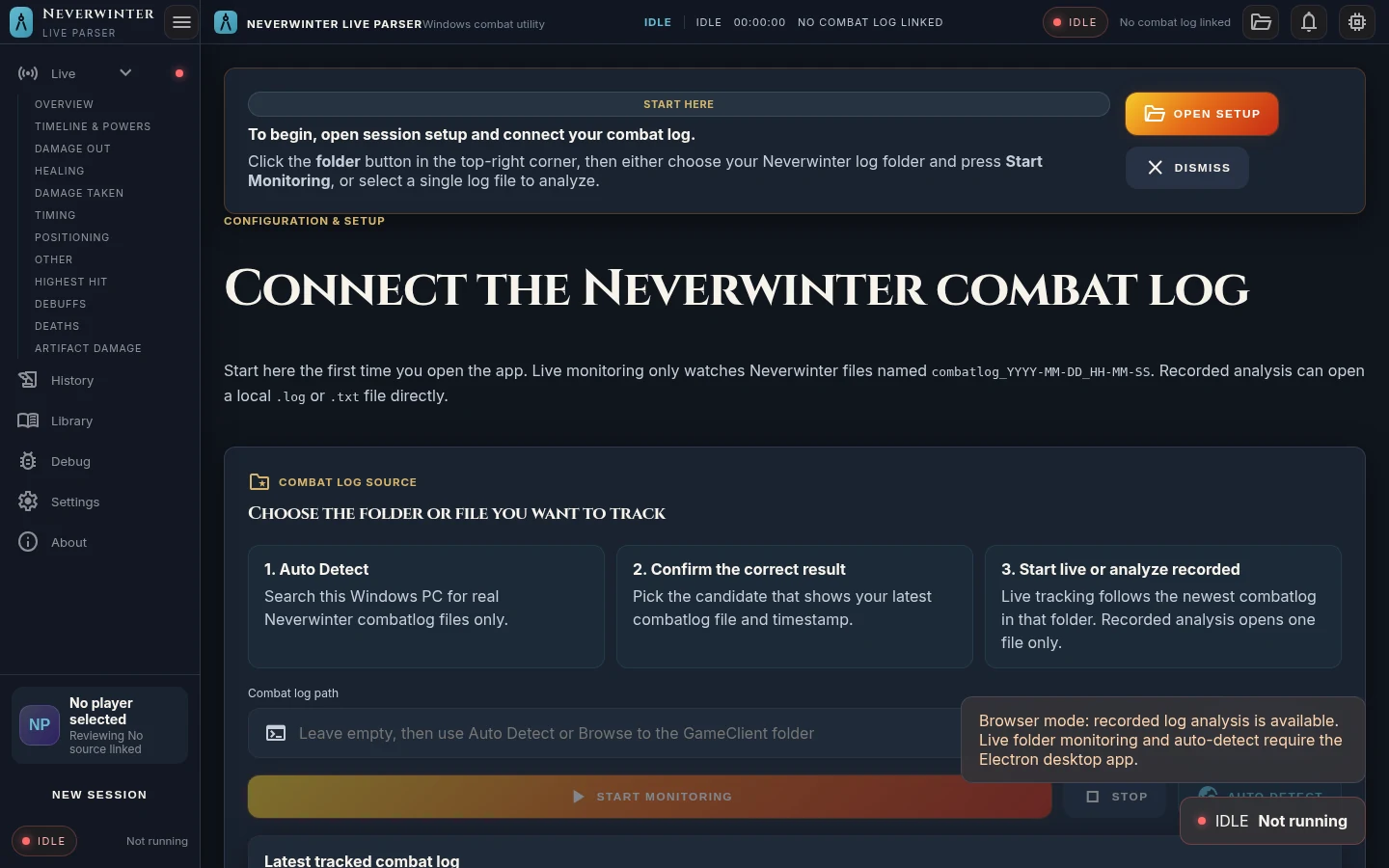
A live parser that turns noisy combat events into readable performance information while keeping uncertainty and incomplete data visible instead of pretending every number is equally trustworthy.
Read case study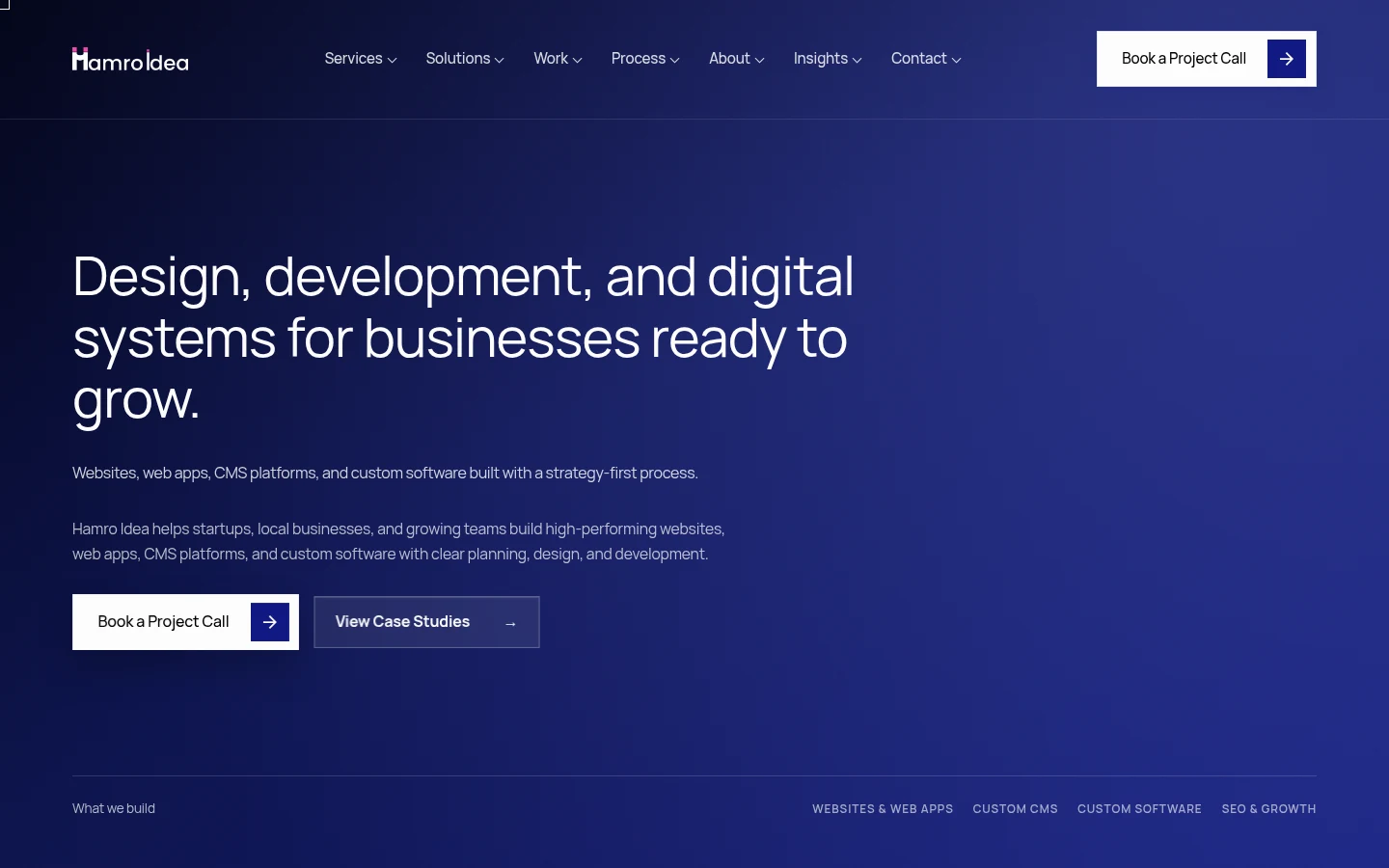
A software-studio rebrand and multi-page website designed and built as one system, from positioning and service architecture to responsive implementation and search structure.
Read case studyEach finding should identify the route and task, reproduction steps, expected and observed behavior, supporting evidence and a test for the fix.
Priority follows the consequence: a blocked core task or unsafe action needs attention before a recoverable delay; a cosmetic inconsistency comes later. Frequency, affected users and available workarounds can change that order.
For example, a failed submission that discards the message is more urgent than inconsistent spacing. The report should make that distinction explicit so the team can choose what to fix first.