Understand the job and the constraint.
Users, evidence, business goal, technical limits and the current behavior that is creating friction.
Web3 products often ask people to approve actions whose consequences are difficult to read from the interface alone. I design the context, review, wallet handoff, network states and recovery behavior that make those moments easier to understand.
A wallet flow needs distinct review, signing, pending, rejected, failed and confirmed states. The interface should name the action and its consequences before the wallet asks for approval, then show what is actually known when the user returns.
Yarsha provides a design context for these decisions. Its published screens do not establish that every recovery branch or a production wallet integration has been tested. Implementation, network behavior and security require separate engineering verification; a prototype cannot establish transaction success or safety.
Review the source-backed Yarsha design and read the wallet-connection and recovery checklist.
Users, evidence, business goal, technical limits and the current behavior that is creating friction.
Turn the problem into reviewable decisions before high-fidelity design makes ambiguity expensive.
Responsive rules, components, interaction notes and QA make the work useful after handoff.
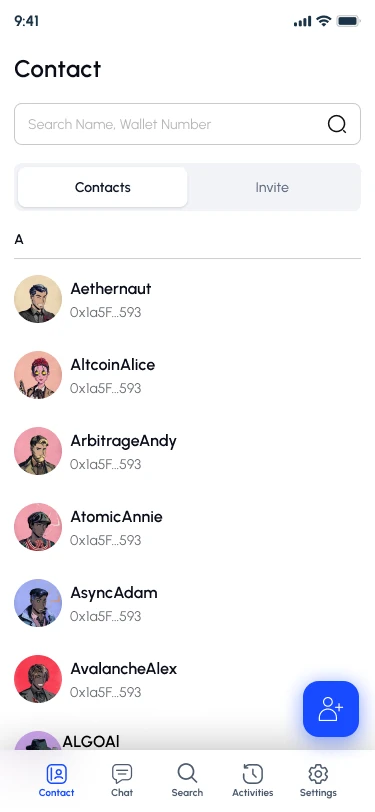
A mobile chat product where wallet actions, Solana blinks and transaction states had to feel connected to conversation without making approval feel casual.
Read case study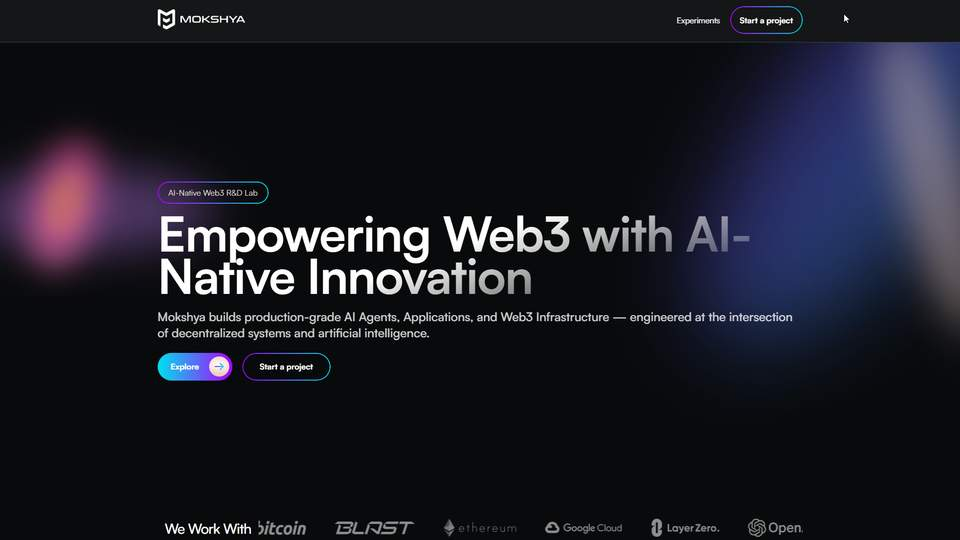
A technical protocol website structured so first-time visitors can understand the product while developers can reach mechanism, evidence and deeper context without wading through marketing filler.
Read case study