Understand the job and the constraint.
Users, evidence, business goal, technical limits and the current behavior that is creating friction.
I build practical Figma systems around the decisions a product repeats: typography, spacing, components, states, responsive behavior and interaction rules. The goal is not a larger library. It is a shared language design and engineering can actually use.
The screenshot component on this site has an implementation contract, not just a visual appearance. Each approved capture has a stable source record, original-image hash, capture date, alt text, caption and responsive variants.
This is an example of this portfolio’s implemented component contract, not a claim about a client’s private Figma library. A useful design-system handoff should make similarly concrete decisions about states, content, responsive behavior and implementation checks.
Inspect the implemented capture and its original or read the developer-handoff notes.
Users, evidence, business goal, technical limits and the current behavior that is creating friction.
Turn the problem into reviewable decisions before high-fidelity design makes ambiguity expensive.
Responsive rules, components, interaction notes and QA make the work useful after handoff.
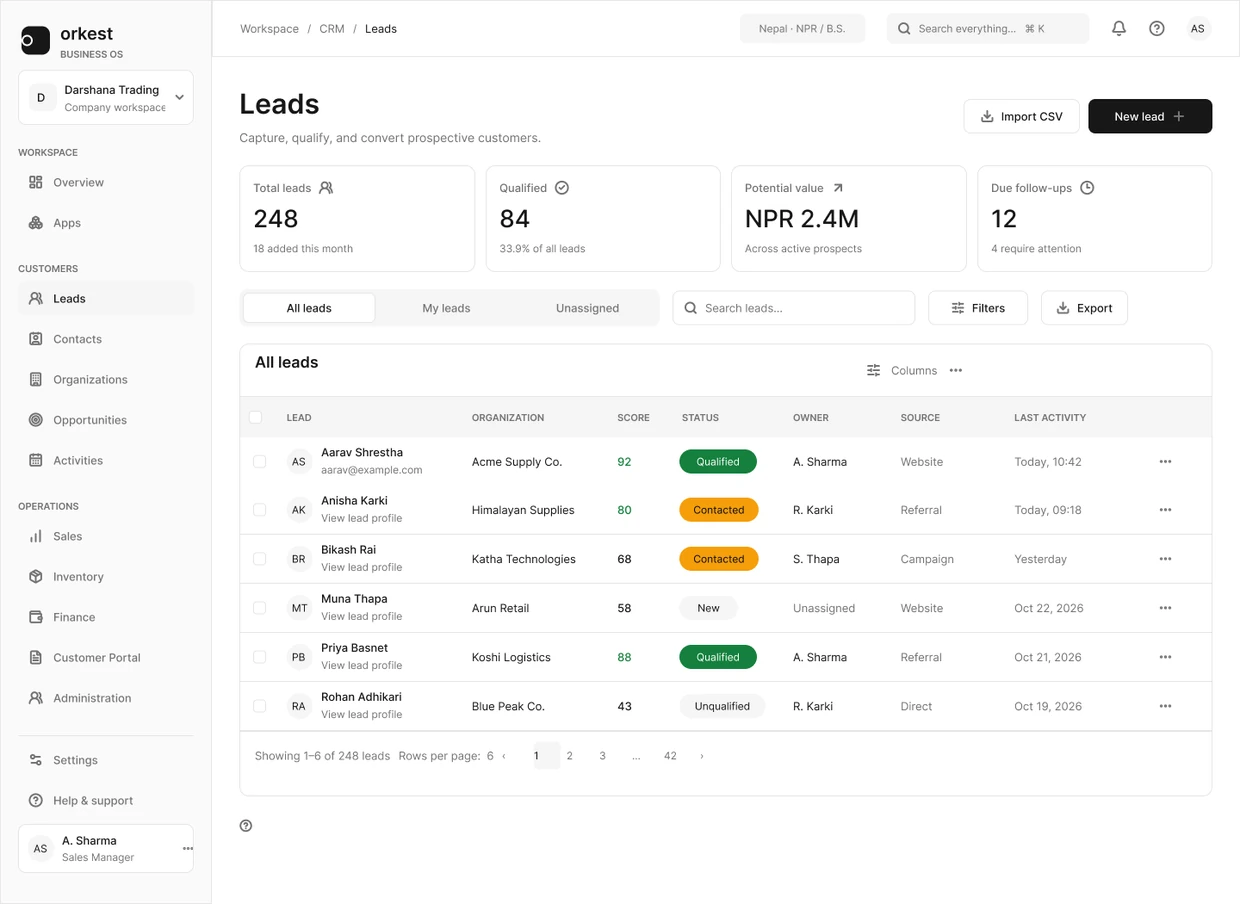
A shared product grammar for CRM, Sales, Inventory and Finance, designed so the modules feel related without pretending their operational jobs are identical.
Read case study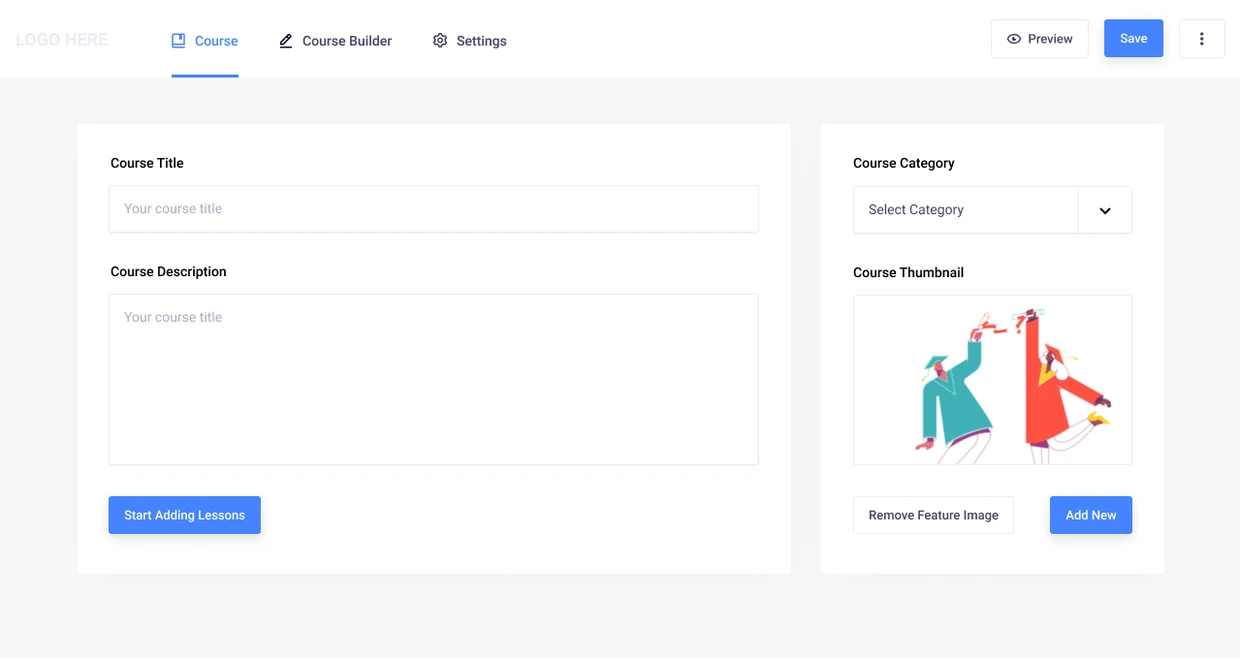
Product-design work inside an established LMS, covering course authoring, quizzes, learner states and reusable patterns that had to fit an existing system and a larger design team.
Read case study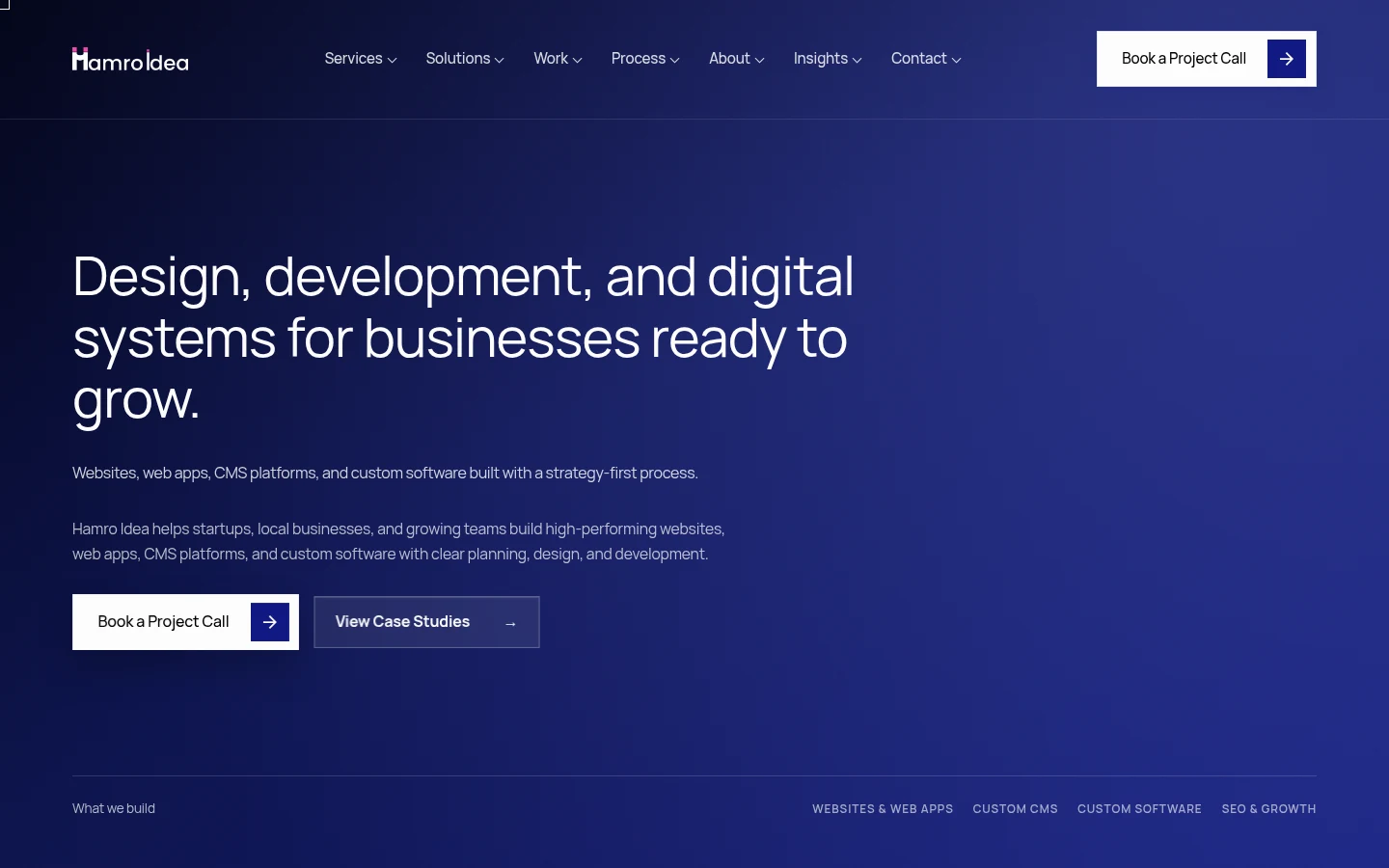
A software-studio rebrand and multi-page website designed and built as one system, from positioning and service architecture to responsive implementation and search structure.
Read case study